


Story 01高度経済成長木
大阪府

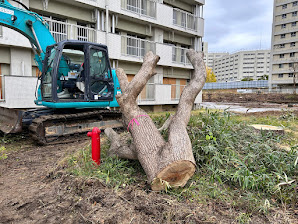
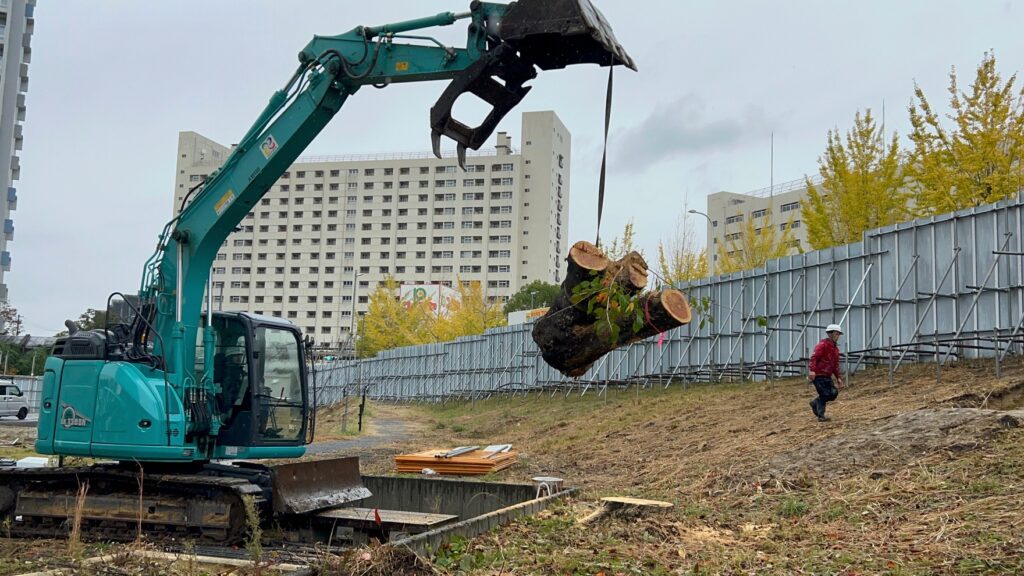
1955年〜1973年頃の高度経済成長時代に日本で増えた「団地」という集合住宅。そしてその敷地内にはたくさんの木が植えられました。それから約50年、その団地は老朽化に伴い建て替えることになり、その影響により木々の伐採もせざるを得なくなりました。団地の住人のみなさんに長く親しまれてきた木を、何らかの形で活かしたいという想いから、今回取得に至りました。このように時代の流れで突如増大してしまった団地とそこに植えられた木は、日本全国にきっとたくさんあるでしょう。もう50年なのか、まだ50年なのか。建物と木、それぞれがあり続けるための姿を、今あらためて考えさせられます。
Tree of High Economic Growth
During Japan’s period of rapid economic growth from around 1955 to 1973, a large number of apartment complexes known as “danchi” were built. Many trees were planted on the grounds of these complexes. Now, about 50 years later, these buildings have aged and are being rebuilt, and as a result, the trees that have long been a familiar part of residents’ lives are also being cut down. Wanting to preserve the memory and presence of these trees in some form, we have decided to acquire them. Across Japan, there are surely many “danchi” and trees that, like these, were planted suddenly as the times changed. Has it already been 50 years—or has it only been 50 years? As we reflect on this, we are once again prompted to consider what it means for both buildings and trees to continue existing into the future.
OTHER STORY
-

Story 14子どもたちを見届けてきた木
福岡県取得したのは、福岡県にある保育園の園庭にあるサクラの木。もともと現園長のお子さんが入ることができる保育園がなかったため、自ら立ち上げたというこの保育園。子どもたちにとってシンボルツリーであるサクラは実は園舎に隣接する公園に生えていた木。少子化や待機児童、統廃合など、さまざまな課題がとりまく保育園の現状。その中で一心発起し、子どもたちにとってよりよい環境を考え、園舎内には植えられなくとも「木」の存在を大切に想い実践した園長の優しさが溢れています。
詳しく見る -
Story 15松脂の採取によって弱った木
愛知県愛知県豊橋市にある高師緑地公園。旧陸軍の高師原演習場として使われていたそうで、樹齢150年を超えるクロマツの大木が多くある緑豊かな公園です。そのマツの木は、樹皮の一部がはがれた状態のものが見られます。実はこの「樹皮のはがれ」は、太平洋戦争末期に、石油の代替品として旧陸軍が「松脂(まつやに)」を採取するためにできた痕跡で、それが原因で弱っている木が多いといいます。今回そんなマツの木の一部を取得しました。戦争で食べ物や資源、あらゆる物資が不足する中、公園のマツの木からさえも油を取得しようというのは、いわば無謀な行為。戦後80年が経とうとする現在もその痕跡と愚かさを痛感します。
詳しく見る -

Story 16河川の安全のために切られた木
愛知県河川整備は、地域の住民の安全や河川環境に保全に必要不可欠な整備です。しかしその河川敷の安全のために伐採されるいわゆる「支障木」も少なくありません。愛知県豊川市で2023年におこなわれた河川整備ではそんな伐採木の有効活用と処理コストの削減のため、地域の人々の中から希望者に無償で提供する取り組みをおこないました。今回取得した木もその一部。アウトドア用の薪やDIY用など、街と人々が木を循環させる仕組みの広がりを少しずつ実感しています。
詳しく見る
