


Story 05大屋根リングの一部だった木
福島県

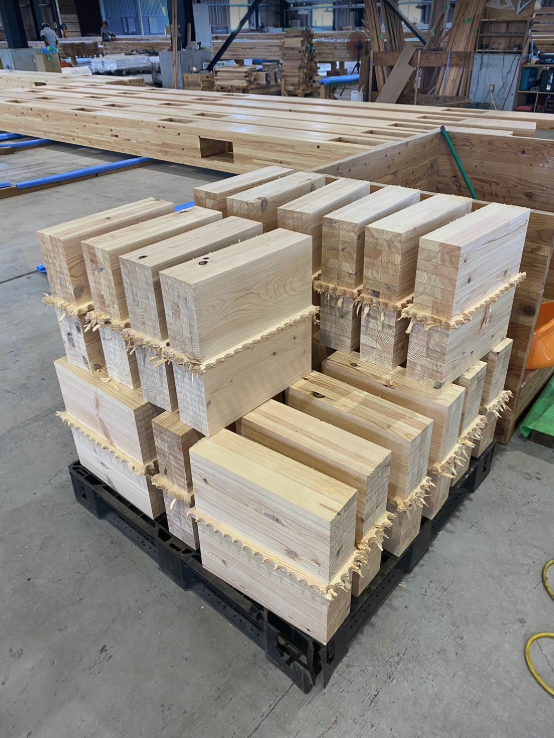
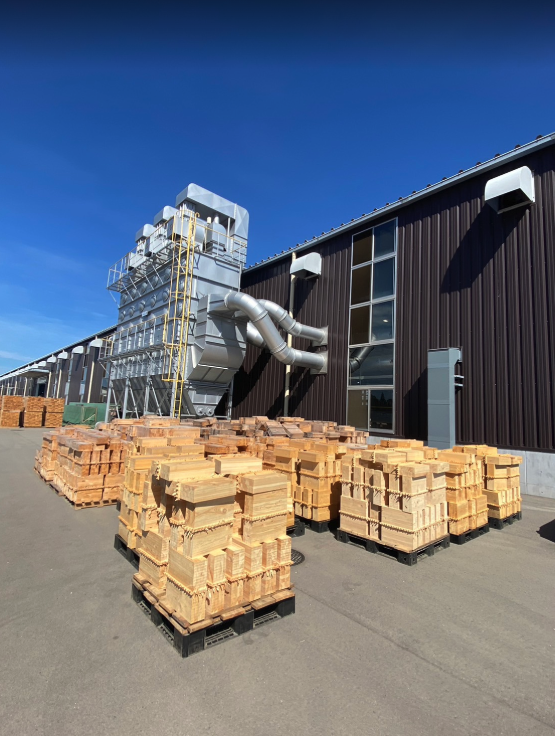
大阪・関西万博会場のシンボルとなる建築物「大屋根リング」。「多様でありながら、ひとつ」という会場デザインのコンセプトが表されており、日本の神社仏閣などの建築に使用されてきた「貫(ぬき)接合」という工法によって作られています。その過程で柱に交差する形で木材を組む際にくり抜かれた建築には使用しない部分を取得し活用。持続可能な取り組みに注力する万博の理念が、ここでも表現されています。
Tree that was Part of “Grand Ring”
The Grand Roof Ring is the symbolic structure of the Osaka-Kansai Expo venue, embodying the design concept of “Unity in Diversity.” It is constructed using a traditional Japanese architectural technique known as nuki joinery, a method long used in the construction of shrines and temples.
In the process of assembling the structure—where wooden beams intersect and are slotted through vertical columns—portions of the wood are carved out and not used in the final architecture. We have acquired and repurposed some of these leftover cutouts. In doing so, the Expo’s commitment to sustainability is expressed not only in its message but also through its material practices.
OTHER STORY
-

Story 07電線に引っかかりそうな木
愛知県愛知県犬山市にある名古屋鉄道の所有林の森林整備の一貫で伐り出された木があります。その整備のきっかけは、道路沿いの木が倒木により電線に引っかかってしまったということ。その後の危険性も踏まえて間伐が行われ、その一部を取得しました。
詳しく見る -

Story 17商品になれなかった木
兵庫県兵庫県多可町にある間伐材加工品、土木用木材の専門店〈木原木材〉は、足場丸太や木柵など丸棒加工に特化しています。近年では、円柱材の中心部に穴をあけて、鉄棒を通したり木材乾燥の促進を図る等、木材の中心に穴を空ける用途のニーズも高まり、「中ぐり加工機」「芯抜き加工機」という専用機械を導入しています。その機械操作の試験過程では、丸太の中心から穴がずれてしまい、材料にならなかった木も当然あり、その一部を取得。実際に製品化にいたらなくとも、あらたな技術と木の活用の未来を感じさせる、ポジティブな存在です。
詳しく見る
